Stress Management: Finding Your Inner Peace in NYC
In the bustling metropolis of New York City, stress can often feel like an unavoidable companion. The constant demands of work, the fast-paced environment, and the ever-present stimulation can take a toll on your well-being. At Vitality Hub, we understand these challenges, and we're dedicated to providing you with the tools and techniques you need to effectively manage stress and cultivate a sense of inner peace, even amidst the city's vibrant chaos.
Understanding Stress and Its Impact
Stress is a natural physiological response to demanding situations. However, chronic stress can have detrimental effects on your physical and mental health, leading to anxiety, depression, weakened immunity, and increased risk of cardiovascular diseases. Recognizing the signs of stress is the first step towards managing it effectively. These signs can include:
- Difficulty concentrating
- Irritability and mood swings
- Sleep disturbances
- Muscle tension and headaches
- Changes in appetite
- Fatigue
Effective Stress Management Techniques
There are numerous evidence-based techniques that can help you manage stress and enhance your overall well-being. Here are a few of our recommended approaches:
Mindfulness Meditation
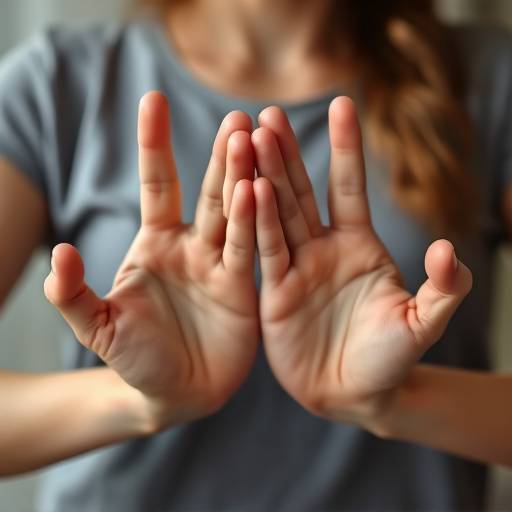
Mindfulness meditation involves focusing your attention on the present moment without judgment. This practice can help you become more aware of your thoughts, feelings, and bodily sensations, allowing you to respond to stressors with greater clarity and composure. Try this simple mindfulness exercise:
- Find a quiet place where you can sit comfortably.
- Close your eyes gently and focus on your breath.
- Notice the sensation of the air entering and leaving your body.
- When your mind wanders, gently redirect your attention back to your breath.
- Practice for 5-10 minutes each day.
Consider joining a mindfulness workshop at the Riverside Tranquility Center on the Upper West Side to enhance your practice.
Deep Breathing Exercises

Deep breathing exercises can activate the parasympathetic nervous system, which promotes relaxation and reduces the body's stress response. One effective technique is diaphragmatic breathing:
- Lie on your back with your knees bent and your feet flat on the floor.
- Place one hand on your chest and the other on your abdomen.
- Inhale slowly and deeply through your nose, allowing your abdomen to rise while keeping your chest relatively still.
- Exhale slowly through your mouth, allowing your abdomen to fall.
- Repeat for 5-10 minutes.
Practice this exercise several times a day, especially during moments of stress or anxiety.
Progressive Muscle Relaxation (PMR)
PMR involves systematically tensing and releasing different muscle groups in your body. This technique can help you become more aware of muscle tension and learn to release it consciously. Here's a basic PMR sequence:
- Find a quiet place where you can lie down comfortably.
- Starting with your toes, tense the muscles in your toes for 5 seconds.
- Release the tension and notice the feeling of relaxation.
- Repeat this process with each muscle group, working your way up your body to your head.
Regular practice of PMR can reduce overall muscle tension and promote a sense of calm.
Time Management Strategies
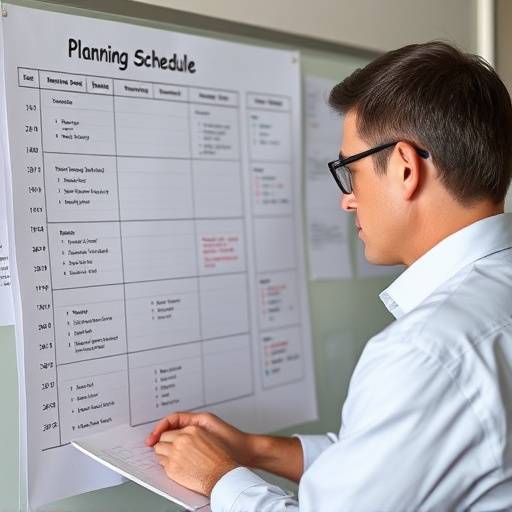
Feeling overwhelmed by your workload can contribute to stress. Effective time management can help you prioritize tasks, break down large projects into smaller, more manageable steps, and create a sense of control over your schedule. Consider these strategies:
- Use a planner or calendar to schedule your activities.
- Prioritize tasks based on their importance and urgency.
- Set realistic goals and deadlines.
- Delegate tasks when possible.
- Take regular breaks to avoid burnout.
The NYC Productivity Collective offers workshops on advanced time management techniques tailored to the demands of city life.
Physical Activity
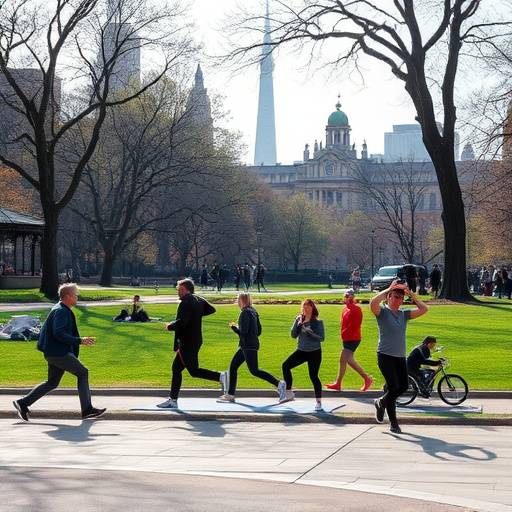
Exercise is a powerful stress reliever. Physical activity releases endorphins, which have mood-boosting effects. Aim for at least 30 minutes of moderate-intensity exercise most days of the week. Consider these options:
- Walking or running in Central Park
- Taking a yoga or Pilates class at a local studio
- Swimming at a community pool
- Dancing
- Biking along the Hudson River Greenway
Social Support
Connecting with supportive friends and family can provide emotional support and reduce feelings of isolation. Make time for social activities and share your concerns with trusted individuals. Joining a support group can also be beneficial.
Healthy Lifestyle Habits
Adopting healthy lifestyle habits can significantly impact your stress levels. This includes:
- Eating a balanced diet rich in fruits, vegetables, and whole grains.
- Getting enough sleep (7-8 hours per night).
- Limiting caffeine and alcohol consumption.
- Avoiding smoking.
Resources in New York City
Vitality Hub partners with several organizations in New York City that offer stress management resources:
- The New York Center for Stress Reduction: Offers workshops and individual counseling. Located at 123 Main Street, Suite 456, New York, NY 10001. Contact: (212) 555-1212, [email protected].
- The Mindfulness Project of Manhattan: Provides free mindfulness meditation sessions. Located at 456 Elm Avenue, Suite 789, New York, NY 10002. Contact: (646) 555-3434, [email protected].
- The Stress Relief Clinic of Brooklyn: Offers comprehensive stress management programs. Located at 789 Oak Street, Brooklyn, NY 11201. Contact: (718) 555-5656, [email protected].
Seeking Professional Help
If you are struggling to manage your stress on your own, consider seeking professional help from a therapist or counselor. A mental health professional can provide you with personalized guidance and support.
Remember, managing stress is an ongoing process. Be patient with yourself and celebrate your progress along the way. At Vitality Hub, we're here to support you on your journey to a healthier, happier, and more resilient you in the heart of New York City.
Our Team
| Name | Title | Expertise |
|---|---|---|
| Dr. Eleanor Vance | Lead Stress Management Consultant | Mindfulness-Based Stress Reduction (MBSR), Cognitive Behavioral Therapy (CBT) |
| Marcus Bellweather | Stress Management Coach | Time Management, Lifestyle Optimization, Relaxation Techniques |